

.avif)
Every growing business eventually hits a content wall. You're spending too much time rewriting documents that already exist and updating the same information across different platforms. This manual work isn't scalable. The solution is a smarter approach. By adopting structured content, you can see the full benefits of publish-ready content. This isn't just about efficiency; it's about future-proofing your information for everything from transforming structured content to video to meeting complex regulatory needs. It all starts with solid structured content management.
Structured content saves companies the time, money, and frustration associated with constantly creating new content by making content reuse effortless. It also enhances the effectiveness and overall quality of published documents. Here’s why industry professionals prefer structured content and how it can improve the value of your company.
Quick Takeaways
- Structured content is intentionally planned, developed, and connected so it’s ready for any publishing channel
- Content reuse, efficiency, findability, personalization, and future-proofed content are the most prominent benefits of structured content
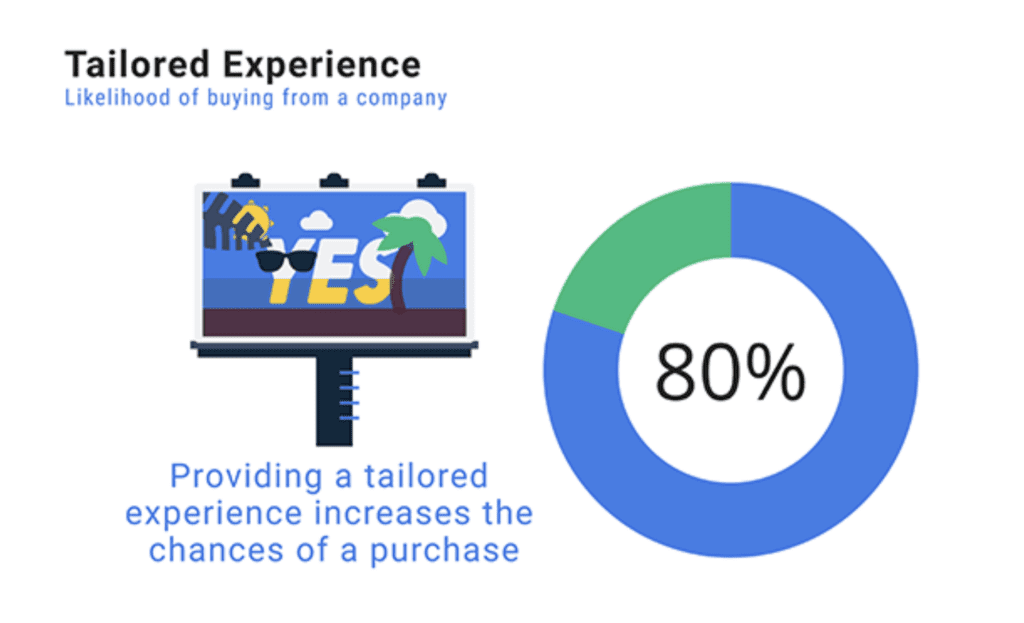
- 80% of customers are more likely to purchase from a company that provides a personalized experience
- Structured content sees higher click-through rates, more visibility, faster indexing and voice search domination
Structured content allows you to stop wasting time on minor edits and start maximizing your company’s resources by reusing content.
What's the Difference Between Structured and Unstructured Content?
When it comes to content creation, people often create single-use content specifically intended for a web page, presentation, user manual, or collateral. Each piece of content lives in its own designated space, and when new content is needed, new content is created. Content management teams call this “unstructured” content.
Due to its unique nature, unstructured content is often duplicated, difficult to find, and almost impossible to maintain. It’s also time-consuming, error-prone, and expensive to manage at an organizational level.
Because of this, technical writers prefer to create and publish “structured” content instead. Structured content is built in a structured format, allowing for granular management and lots of flexibility.
When content is structured, the need to rewrite content is eliminated and content already created can be reused in multiple ways. This is called content reuse, and is the main reason why top professionals prefer to use structured content. With structured content, businesses can also:
- Make bulk updates
- Track changes
- Speed-up reviews
- Publish to multiple systems
- Create new deliverables
- Cut support costs
Learn more about structured content in this video.
Structured content allows companies to turn materials into building blocks that can be taken apart and put back together to create different structures. This not only allows for greater flexibility but also maximizes company resources.
What Are the Benefits of Structured Content?
You already know that content reuse is a major benefit of using structured content, but that’s not all structured content has to offer. Below, you’ll learn about 5 more reasons why top professionals prefer structured content over unstructured content.
Streamline Your Content Creation
With the ability to reuse content, all tasks related to content production and management become more efficient. Documentation is created in minutes, updating content is quick, and applications render the appropriate format for any device.
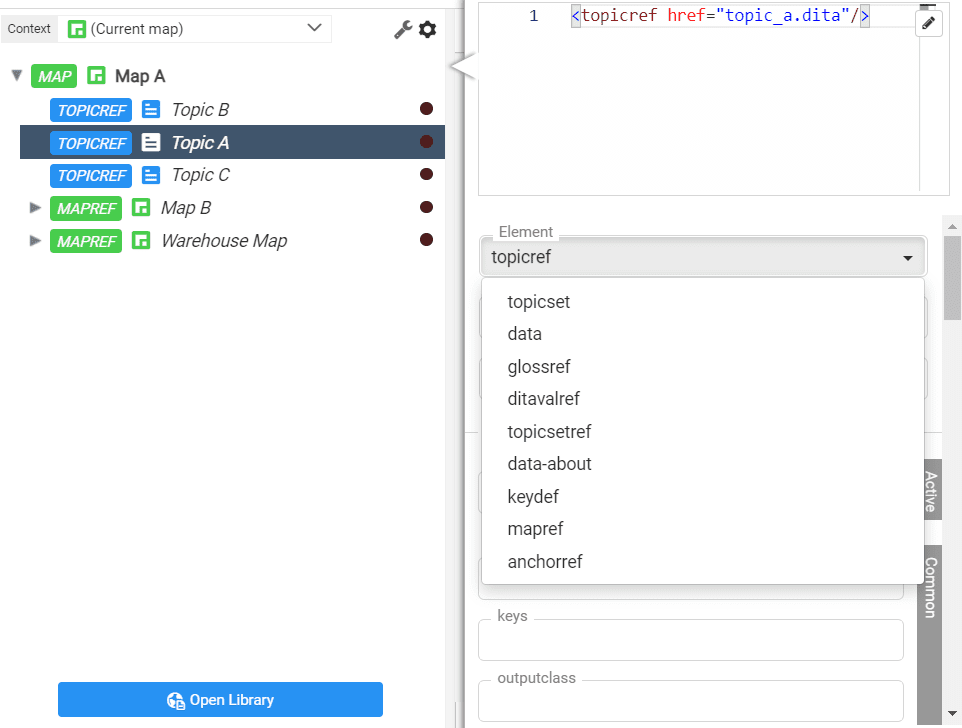
Because structured content can be reused, your company naturally has to create less content. This also means less:
- Duplication
- Searching for content
- Maintenance and governance
- Time spent updating content
With time saved on creating and updating content, you can spend company resources on more productive tasks, like creating new content.
And remember, structured content allows for granular control of its parts. This control over content extends ownership, governance, algorithmic curation, and more, promoting efficiency in every content-related environment.
Help Users Find Answers Faster
If users can’t find your content, its value is wasted. Structured content makes your materials easier for both computers and people to find, internally and externally. Structured content is rich with metadata, which enables computers to “read” it and understand how to use the content."
SEO, or search engine optimization, uses structured content as data and makes your business’s content more visible on SERPs, or search engine results pages. According to Search Engine Journal, structured data has:
- Higher click-through rates
- More visibility
- Faster indexing
- Voice search domination
Structured content can also be adjusted to a search engine’s algorithm and offers advanced search options. Not only will your content be more visible to your audience, but it will also be easier to navigate, resulting in a more satisfying experience for users.
Deliver Personalized Experiences at Scale
Personalization is more than including a customer’s name in your most recent email. When brands create a genuinely personalized experience for their audience members, customers’ loyalty and trust grows. In fact, 80% of customers are more likely to purchase from a company that provides a personalized experience.
Structured content allows companies to embed purpose and intent into each piece and component of content. From semantic content to embedded metadata, the qualities of structured content allow you to deliver personalized customer experiences based on persona.
Prepare Your Content for Tomorrow's Tech
With a strong foundation, you won’t have to worry about rebuilding your website every 3-5 years. Whether you’re rolling out a new brand identity or reorganizing your navigation structure, changing specific components without rewriting an entire document is effortless.
Because metadata is stored with structured content, the content itself can be exported and transformed into other formats without losing its meaning. This also simplifies collaborative work with other teams and organizations.
Ensure Content Consistency and Accuracy
Last but not least, structured content improves the technical quality of your materials, ultimately enhancing their value and effectiveness. More specifically, structured content helps improve:
- Accuracy. By applying review workflow rules and reusing already-accurate modules, your content becomes less prone to error. External systems can also store lists of terms to ensure that correct terminology is always used.
- Conformance. Certain information, formats, and review processes are often necessary for business landscapes. Structured content allows for easy maintenance when it comes to fulfilling specific requirements, whether they be contractual, regulatory, etc.
- Consistency. Your content is easier for readers to understand when it’s found in the same location and formatted in the same manner. Structured content encourages the use of regulated visual structures, enhancing the readability and quality of your content.
High-quality content is both error-free and consistent. Structured content naturally regulates and enhances the technical quality of your content.
The Business Impact of Publish-Ready Content
The benefits of structured content go far beyond simple efficiency. When your content is organized, modular, and ready for delivery, it becomes a powerful business asset. This publish-ready state is what transforms your documentation from a cost center into a value driver. It directly impacts how customers find you, whether they trust you, and how they perceive your brand's authority. Ultimately, having a library of high-quality, reusable content components allows you to respond to market needs faster, support customers better, and build a more resilient content strategy for the future. Let's look at the specific ways this approach makes a difference.
Attracts More Visitors and Increases Engagement
Consistently publishing fresh, high-quality content is fundamental to growing your online presence. Search engines favor websites that are regularly updated with relevant information, which can improve your rankings and make you more visible to potential customers. According to New Target, Inc., this regular addition of new material helps you stand out and get more visitors. When your content is structured, you can create and publish new assets more quickly by reusing existing, approved components. This allows you to maintain a steady stream of updates, keeping your site dynamic and engaging for both search engines and human visitors, establishing your website as a go-to resource in your field.
Drives Sales and Conversions
Effective content does more than just inform; it guides potential customers toward a purchase. When you provide clear, helpful information that addresses a user's problems or questions, you are actively helping them through their decision-making process. This problem-solving content can naturally lead them to your products or services as the ideal solution. By structuring your content, you can ensure that the right information—be it a technical specification, a how-to guide, or a case study—is delivered at the right moment in the customer journey. This targeted approach makes the path to conversion smoother and more intuitive for the user.
Builds Customer Relationships and Trust
Trust is the foundation of any lasting customer relationship. Providing consistently helpful and accurate content is one of the most effective ways to build that trust. When customers know they can rely on your documentation and resources, their loyalty to your brand deepens. This is especially true in technical fields where clarity and precision are critical. Using a structured content system like a Component Content Management System (CCMS) ensures that every piece of information is consistent and up-to-date across all channels, from your knowledge base to your user manuals. This reliability shows customers you are committed to their success.
Establishes Expertise and a Competitive Edge
When you consistently share valuable, well-researched content, you position your organization as a trusted authority in your industry. This thought leadership not only attracts customers but also builds a competitive advantage that is difficult for others to replicate. Your content becomes a testament to your team's knowledge and experience. This expertise is built one publication at a time, creating a library of resources that demonstrates your deep understanding of the market and your customers' needs. This, in turn, has a direct impact on the professionals who create the content.
Career Advancement and Recognition
For the writers and subject matter experts on your team, publishing high-quality work is often a key factor in career growth. As noted by the ISJEM Journal, publishing helps researchers and professionals become known as experts in their field, opening doors to new opportunities. When your content operations are streamlined, your team can focus more on creating impactful content and less on administrative tasks, allowing their expertise to shine and building their professional reputations.
Contribution to a Field of Knowledge
Every piece of content you publish adds to the collective knowledge of your industry. It helps other professionals, researchers, and customers understand the current state of the field and pushes it forward. By sharing your insights and findings, you are not just marketing your products; you are participating in a larger conversation. This contribution solidifies your organization's role as a leader and innovator, building a legacy of knowledge that benefits everyone.
Serves as an Affordable, Long-Term Strategy
Content creation is a highly cost-effective way to attract and retain customers over the long term. Unlike paid advertising, a well-crafted piece of content can continue to generate traffic and leads for years with minimal ongoing investment. The principle of content reuse, central to structured content, amplifies this benefit. By creating content components once and using them everywhere, you drastically reduce the cost and effort of producing new materials, making your content strategy both affordable and incredibly scalable.
Ensuring Content Quality Before Publishing
Creating great content is only half the battle; ensuring its quality before it reaches your audience is just as important. A single error, inconsistency, or broken link can undermine a user's trust. This is where having a solid pre-publication process becomes essential. By implementing a series of checks and balances, you can catch issues before they go live, protecting your brand's reputation and ensuring a smooth user experience. A systematic approach to quality control guarantees that every piece of content you publish meets your standards for accuracy, clarity, and professionalism.
Use a Publish-Ready Checklist
A publish-ready checklist is your team's guide to consistency. It’s a simple but powerful tool that ensures every piece of content aligns with your established style, voice, and messaging before it goes live. According to ClearVoice, a checklist helps you create high-quality content every single time by standardizing the final review process. Your checklist should cover everything from grammar and spelling to formatting, metadata, and SEO elements. This systematic review prevents simple mistakes from slipping through and reinforces your content standards across the entire team.
Perform Detailed Quality Checks
Beyond a simple checklist, a thorough quality check involves a deeper review of the content's substance. Is the information accurate and up-to-date? Are all claims supported by evidence? Does the content flow logically and answer the user's core question effectively? This step requires a critical eye and often benefits from a peer-review process where a second team member reads through the material. This detailed review ensures that your content is not only error-free but also genuinely valuable and helpful to your audience.
Verify Brand, Legal, and Multimedia Compliance
Before hitting publish, you must confirm that the content adheres to all brand, legal, and technical guidelines. This includes using the correct logos and brand colors, ensuring all legal disclaimers are in place, and verifying that images or videos are properly licensed and optimized. Structured content provides granular control over these elements, making content governance much easier to manage. You can create reusable components for legal notices or brand assets, ensuring they are applied correctly and consistently everywhere they appear, which is a core function of content operations.
Establish a Team Approval Process
A clear and efficient approval workflow is critical for maintaining quality without creating bottlenecks. You need to outline who needs to review and approve content at each stage, from the initial draft to the final version. This process should involve stakeholders from different teams, such as legal, marketing, and product, as needed. Defining these roles and responsibilities ensures that every piece of content gets the necessary oversight before publication. Using a platform with built-in workflows can help automate this process, keeping everything moving smoothly and consistently.
Common Frameworks for Content Publishing
To maintain consistency and effectiveness in your content strategy, many teams rely on established frameworks. These models provide a simple, memorable structure for planning and distributing content. While they often originate in marketing or social media, their core principles can be adapted to fit the needs of technical documentation and content operations. Frameworks help you think strategically about how one piece of source content can be repurposed for different channels and audiences, which aligns perfectly with the goals of structured content and content reuse.
What is the 3-3-3 rule in marketing?
The 3-3-3 rule is a framework for content repurposing. The idea is to take one major piece of content (like a whitepaper or webinar) and break it down into three smaller pieces (like blog posts). Then, create three social media posts for each of those smaller pieces. This approach allows you to maximize the value of your initial effort. For technical documentation teams, this could mean taking a long-form installation guide, creating three shorter topic-based articles from it, and then creating three micro-content snippets (for a chatbot, for example) from each article. This is where multichannel publishing from a single source becomes incredibly powerful.
What is the 5-3-2 rule for social media?
The 5-3-2 rule is a guideline for sharing content on social media channels to keep your feed balanced and engaging. The rule suggests that for every 10 posts you share, five should be content from other sources relevant to your audience, three should be your own original content, and two should be personal or fun updates that humanize your brand. While technical content teams may not focus as heavily on social media, the principle of a balanced content mix is still relevant for internal communications or community forums. It’s a reminder to not only broadcast your own information but also to share valuable industry news and engage with your community.
What are the 5 C's of content?
The 5 C's provide a framework for evaluating the quality of your content. To be effective, your content should be: Clear, Concise, Compelling, Credible, and Consistent. Structured content inherently supports these principles. For example, content reuse ensures consistency across all your documentation. The modular nature of structured authoring encourages writers to be clear and concise within each topic. By focusing on these five elements, you can ensure that every piece of content you create in DITA or another structured format is designed to be as effective as possible for the end-user.
How to Get Started with Structured Content
Publishing structured content is one of the most important things you can do for the success of your business. This not only makes personalized documentation possible, but it’s also significantly easier and less expensive to create. Just ask Omnicell who significantly reduced their support and translation management costs by switching to structured content with Heretto.
Heretto helps organizations build a powerful platform to create, manage, and publish structured content for their audiences. Maximize your company resources today by requesting a DITA consultation with one of our industry experts or check out our guide to help you get started on your structured content journey today!
Frequently Asked Questions
What’s the first practical step to adopting structured content? The best place to start is with a content audit. Before you can structure your content, you need to understand what you already have. Look at your existing documents, help articles, and manuals to identify patterns, redundancies, and opportunities for reuse. This initial analysis helps you build a business case and map out a clear plan for which content to tackle first.
Is structured content only for technical writing teams? While technical documentation is a natural fit, the principles apply to any team that needs to manage information at scale. Marketing teams can use it to personalize campaigns, legal departments can use it to manage compliance clauses, and HR can use it for policy documents. Any content that needs to be consistent, accurate, and delivered to multiple places can benefit from a structured approach.
How exactly does structured content make personalization easier? Structured content breaks information down into small, reusable components that are tagged with metadata. This metadata describes what the content is about, who it's for, or what product it applies to. This allows you to automatically assemble different combinations of these components to create a document tailored to a specific user's role, experience level, or needs, all without writing new content from scratch.
Does our content library need to be a certain size to benefit from this? You don't need a massive library to see the benefits. The key factor is complexity, not just volume. If you find your team is constantly updating the same information in multiple documents, or if you need to publish content to different channels like a website, a PDF, and an in-app help system, then structured content can save you significant time and prevent errors, regardless of your company's size.
How is using structured content different from just using good templates? Templates control the look and feel of a document, which is important for consistency. Structured content, however, controls the information inside the document. It defines the components of your content, like procedures, warnings, or product descriptions, and the rules for how they can be used. This makes your content intelligent and independent of its final format, allowing it to be reused and published anywhere, which is something a simple template cannot do.


